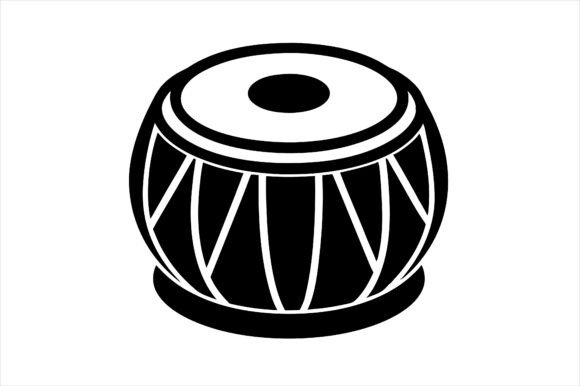
Traditional Musical Instrument Icon: A Creative Design Essential
Icons have become a vital part of visual communication across industries. Whether you're designing marketing materials, branding assets, or merchandise like t-shirts and mugs, the right icon can convey complex ideas quickly and effectively. The Traditional Musical Instrument Icon is particularly valuable for anyone involved in creative design, music education, cultural promotion, or product branding. It serves as a versatile tool that enhances clarity, adds aesthetic appeal, and connects with audiences on an emotional level.
What Is the Traditional Musical Instrument Icon?
The Traditional Musical Instrument Icon refers to stylized graphic representations of classic musical instruments from around the world. These include symbols like the guzheng, sitar, djembe, kora, didgeridoo, shamisen, and many others. Unlike generic sound wave or speaker icons, these designs capture the unique shapes and cultural significance of traditional instruments, making them more expressive and contextually relevant.
When used in design projects, they serve as both decorative elements and communicative tools. For instance, using a shamisen icon on a flyer for a Japanese folk music event immediately signals the genre and culture being represented. This kind of visual shorthand helps your audience understand the message without needing lengthy explanations.
Why Traditional Icons Matter in Modern Design
In today’s fast-paced digital world, visuals must work harder than ever to grab attention and communicate meaning. The Traditional Musical Instrument Icon offers a way to stand out by combining cultural depth with modern design sensibilities. These icons are especially useful when targeting niche markets or creating content that celebrates heritage, diversity, or global traditions.
For educators, musicians, and event planners, including such an icon in their materials can enhance authenticity and engagement. A well-placed instrument symbol can help reinforce themes of tradition, artistry, and community — all while adding visual interest to otherwise text-heavy layouts.
Practical Applications for Different Industries
- Music Education: Teachers and schools can use these icons to represent different instruments in classroom posters, flashcards, or online resources. Visual learners often benefit from seeing what an instrument looks like before they hear it played.
- Event Promotion: Musicians and organizers promoting cultural or folk festivals can incorporate these icons into flyers, social media posts, and banners to highlight the type of music being featured.
- Merchandise Branding: If you’re selling t-shirts, mugs, or other items related to music or cultural appreciation, a Traditional Musical Instrument Icon can be the centerpiece of your design. Its recognizable form makes it easy to adapt for dark or light backgrounds and various color schemes.
- App Development: Developers working on apps focused on music theory, instrument learning, or cultural exploration can integrate these icons to improve user navigation and understanding.
Enhancing Creativity and Communication
One of the biggest advantages of using the Traditional Musical Instrument Icon is how it supports creativity. Because these icons are rooted in history and cultural identity, they inspire designers to create visually rich and meaningful content. You can pair them with typography, silhouettes, or other illustration styles to craft a look that feels both modern and timeless.
Take, for example, a book cover design for a publication about African rhythms. Instead of relying on abstract patterns, placing a kora or djembe icon at the center instantly communicates the theme and draws readers in. Similarly, a logo for a boutique that sells handmade instruments could feature a mandolin or shamisen icon to establish its brand identity clearly and memorably.
Who Benefits Most from Using These Icons?
While any designer can appreciate the beauty and symbolism of the Traditional Musical Instrument Icon, certain professionals will find it particularly beneficial:
- Graphic Designers: Those who specialize in branding, illustrations, or educational materials can use these icons to add cultural nuance and visual storytelling to their work.
- Entrepreneurs: Business owners launching products or services in the music or cultural sectors can leverage these icons to build trust and relevance with their target audience.
- Marketers: Campaigns focused on heritage, local culture, or acoustic experiences gain more impact when supported by authentic visual elements like these icons.
- Freelancers and Creators: Independent artists looking to expand their portfolio or sell printables can offer these icons as part of themed collections for clients interested in cultural or musical themes.
Customization and Scalability for Every Need
Design flexibility is another key strength of the Traditional Musical Instrument Icon. Since most high-quality versions are vector-based, they remain sharp and clear no matter the size — from tiny app buttons to large-scale billboards. This scalability ensures your design maintains professional quality in any application.
Moreover, full color customization allows you to match the icon to your brand colors or the mood of the project. Want a minimalist black-and-white version for a business card? No problem. Need a vibrant, multicolored illustration for a festival poster? That’s also achievable. Having access to source files in AI and EPS formats gives you complete control over the final output, enabling seamless integration into your existing design workflow.
Real-World Use Cases
- Cultural Merchandise: A small business owner created a line of mugs featuring hand-drawn Traditional Musical Instrument Icons. Each mug represents an instrument from a different region, turning simple drinkware into conversation starters about global music traditions.
- Interactive Learning Apps: An educational startup developed a children's app where each Traditional Musical Instrument Icon acts as a clickable element, playing a short sample of the instrument when tapped. This approach made the learning process more engaging and intuitive.
- Local Music Festivals: A town organizing its first annual folk festival used a series of Traditional Musical Instrument Icons across all promotional materials — from brochures to social media ads — helping attendees quickly identify which events matched their interests.
Choosing the Right File Format
Whether you're preparing a design for web use or print production, selecting the appropriate file format is crucial. The Traditional Musical Instrument Icon is typically available in formats like EPS and JPG, ensuring compatibility with both digital platforms and printing technologies.
If you need to scale the icon for high-resolution printing or make edits to the design, EPS is the ideal choice. It preserves the vector data, allowing for precise resizing and manipulation. On the other hand, JPG is perfect for quick sharing or embedding directly into websites and presentations. Both options ensure that your design remains professional and impactful regardless of where it ends up.
Considerations for Best Results
To get the most value from the Traditional Musical Instrument Icon, consider the following:
- Context: Ensure the icon aligns with the overall theme of your project. Misusing an instrument symbol — like pairing a didgeridoo with electronic music — can confuse your audience.
- Style Consistency: Match the icon's style with the rest of your design elements. A hand-drawn icon might not suit a sleek corporate brochure but would fit perfectly in a zine about indie folk music.
- Resolution: Always confirm the intended use before downloading. While JPGs are great for online display, EPS files are better suited for print and detailed editing.
Time-Saving and Cost-Effective Design
Creating custom illustrations from scratch takes time and skill, especially when aiming for cultural accuracy. The Traditional Musical Instrument Icon provides a ready-to-use solution that saves hours of research and drawing. You can focus on the bigger picture — layout, messaging, and aesthetics — without worrying about the technical details of individual instruments.
This efficiency is especially important for entrepreneurs and freelancers with tight deadlines or limited budgets. By leveraging pre-made icons, you can deliver polished, professional results faster and at a lower cost. Plus, having access to editable source files means you can tweak the design to better fit your needs, rather than settling for something that's close enough.
Limitations and Fit Considerations
While the Traditional Musical Instrument Icon is incredibly useful, it's not a one-size-fits-all solution. Some users may find that generic icons don’t fully meet their needs if they require a very specific regional or historical variation. In such cases, comparing multiple sources or investing in custom illustrations might be necessary.
Additionally, while the icon works well in many contexts, it should always support rather than overshadow the main message. Overuse or incorrect placement can dilute the effectiveness of your design. Think of it as a supporting character in your visual story — not the star.
Where to Find High-Quality Traditional Musical Instrument Icons
If you're looking for unique, high-quality Traditional Musical Instrument Icons, you’ve come to the right place. Our shop regularly uploads fresh, creative designs tailored for a wide range of applications, from t-shirts and mugs to book covers, crests, and business cards. We prioritize originality and usability, ensuring every design is both visually appealing and functionally sound.
Each icon is crafted with attention to detail, offering accurate depictions of traditional instruments while maintaining a clean, modern look. We provide options for complete color customization, so you can easily adapt the icon to your brand palette or personal preferences. With 100% vector-based files, you can scale and modify the design without compromising quality.
We also offer source files in AI and EPS formats, giving you the freedom to edit the icon using industry-standard software. And for those who prefer a finished image, we provide JPG files that are optimized for print and digital use. Feel free to choose the format that best suits your project, whether you're working with Silhouette cutting machines, vector editors, or basic photo editing tools.
How to Use These Icons Effectively
Here are some tips to maximize the impact of your Traditional Musical Instrument Icon:
- Use as a Logo Element: Combine the icon with a name or tagline to create a memorable emblem for your brand or event.
- Integrate into Infographics: Highlight the role of traditional instruments in music history or cultural studies with clear, symbolic representation.
- Enhance Presentation Slides: Add visual interest to slides discussing music genres, instrument families, or global traditions.
- Create Themed Collections: Group several icons together to showcase a range of traditional instruments from a particular region or era.
Conclusion
The Traditional Musical Instrument Icon is more than just a design element — it's a bridge between cultures, a tool for education, and a foundation for creative expression. Whether you're an entrepreneur launching a new product line, a teacher developing educational materials, or a designer crafting a compelling visual narrative, this icon can help you achieve your goals with precision and flair.
By choosing a design that’s scalable, customizable, and culturally grounded, you're investing in a resource that supports both your creative vision and practical needs. Explore our collection of Traditional Musical Instrument Icons and discover how they can elevate your next project — from vectors and typography to illustration and flyers.
Thanks for visiting our shop. We hope you find exactly what you need to bring your ideas to life. Happy designing!